Finest Practices for Upkeep and Applications in the Aluminum Foundry Market: A Thorough Overview
Keeping equipment in the aluminum foundry industry is necessary for functional success. Routine assessments and anticipating upkeep can greatly reduce downtime and enhance security. Advanced technologies, such as IoT and information analytics, play a pivotal duty in this procedure. Understanding the complete extent of finest methods needs a closer assessment of certain methods and their effects on efficiency. What are the important components that add to a reliable upkeep structure?
Value of Routine Upkeep in Light Weight Aluminum Foundries
Routine maintenance plays an essential duty in the effective operation of light weight aluminum factories. By systematically inspecting and servicing tools, factories guarantee peak efficiency and durability of machinery. Normal maintenance tasks, such as element, lubrication, and cleansing replacement, aid stop unexpected failures that can result in pricey downtime.
Additionally, regular checks improve workplace security by identifying prospective hazards before they rise into significant issues. Devices that is properly maintained runs more successfully, bring about improved item high quality and decreased waste. Furthermore, adherence to an organized upkeep timetable can sustain conformity with sector guidelines, therefore cultivating a credibility for dependability and quality within the market.
Executing Predictive Upkeep Methods
Predictive maintenance approaches take the principles of routine maintenance a step even more by leveraging data analytics and advanced monitoring technologies. In light weight aluminum factories, these methods allow drivers to prepare for tools failings prior to they happen, thereby lowering unexpected downtimes and optimizing operational efficiency. By utilizing sensors and IoT tools, real-time information can be accumulated on equipment performance, enabling the identification of possible concerns via anticipating analytics.
Maximizing Melting and Pouring Processes
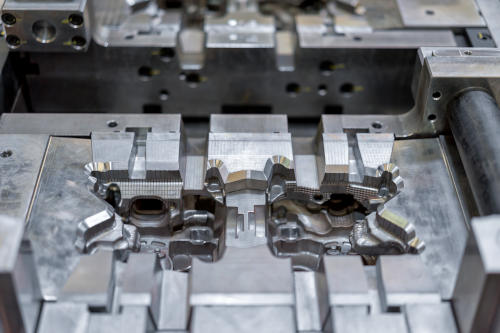
Reliable melting and putting processes are important for maximizing productivity and assuring the quality of aluminum castings. To enhance these procedures, shops need to focus on precise temperature control during melting, as this directly impacts the metallurgical buildings of the alloy. Using advanced melting modern technologies, such as induction and resistance melting, can improve power performance and minimize cycle times.
Moreover, executing automated pouring systems reduces human error and maintains uniformity in the putting procedure. Correct mold prep work, including adequate preheating, is necessary to prevent thermal shock and boost mold longevity.
Enhancing Safety And Security Procedures in Factory Operations
Focusing on safety and security in light weight aluminum foundry procedures is crucial for shielding see this site employees and guaranteeing an effective environment. Efficient safety methods include normal training sessions that highlight the importance of personal safety devices (PPE), such as gloves, goggles, and helmets. Additionally, the establishment of clear emergency procedures is necessary in taking care of possible crashes.
Normal inspections of equipment and equipment aid recognize threats prior to they rise right into severe problems. Carrying out a durable reporting system motivates workers to communicate safety and security problems without anxiety of effect. Promoting a culture of safety warranties that every worker comprehends their role in keeping a safe work environment.
Furthermore, assuring appropriate ventilation and surveillance air high quality can mitigate direct exposure to damaging fumes and dust. By enhancing these methods, aluminum shops can considerably reduce the threat of mishaps and develop site here an atmosphere where employees really feel valued and safe, eventually enhancing total operational performance.
Leveraging Technology for Improved Performance
Using innovative technology has come to be increasingly vital for light weight aluminum foundries aiming to improve functional performance. Automation and robotics play an important function in simplifying production processes, decreasing labor expenses, and decreasing human mistake. Applying real-time monitoring systems enables the constant evaluation of tools efficiency, making it possible for aggressive upkeep and reducing downtime.
Additionally, the their explanation combination of data analytics provides important understandings right into operational operations, promoting much better decision-making and resource allowance. For instance, predictive analytics can determine potential failures prior to they take place, more maximizing upkeep routines.
In addition, embracing sophisticated melting and casting technologies improves power effectiveness and material return, which are basic for sustainability in the market. By accepting these technological innovations, light weight aluminum factories can not only enhance performance however also keep an one-upmanship in a progressively demanding market (Casting Foundry). Eventually, leveraging technology is crucial in driving advancement and enhancing total functional effectiveness within the field
Frequently Asked Concerns
What Are Common Indicators of Equipment Put On in Aluminum Foundries?
Usual indications of tools wear in aluminum shops include uncommon noises, reduced performance, boosted vibration, overheating elements, leakages, and visible rust. These signs typically signify the need for upkeep or potential replacement to prevent costly downtime.
Just How Can I Train Staff for Effective Maintenance Practices?
To educate staff for efficient upkeep techniques, one can carry out hands-on workshops, create extensive guidebooks, encourage mentorship programs, and carry out normal analyses to assess abilities and expertise, guaranteeing all workers recognize upkeep protocols completely.
What Are the Ecological Rules for Aluminum Foundries?
Aluminum foundries go through different environmental policies, including discharges control, waste management, and resource conservation. Compliance assurances very little ecological influence, advertising sustainability while sticking to neighborhood, national, and worldwide environmental requirements and guidelines.
Just How Do Shops Take Care Of Waste and Recycling of Light weight aluminum?
Foundries manage waste and recycling by executing systems for collecting scrap aluminum, utilizing advanced separation technologies, and collaborating with recycling centers to assure reliable healing procedures, consequently lessening ecological effect and promoting sustainability within the industry.
What Are the Prices Related To Applying Advanced Technologies?
Executing innovative modern technologies in factories incurs significant prices, consisting of preliminary investment, training, and upkeep expenditures. Nevertheless, the long-term advantages, such as raised effectiveness and decreased waste, frequently warrant these expenses, resulting in improved earnings.
Routine upkeep plays a vital role in the reliable operation of light weight aluminum foundries. In light weight aluminum foundries, these approaches enable drivers to anticipate tools failures before they take place, thus reducing unexpected downtimes and maximizing operational performance. Utilizing sophisticated technology has come to be increasingly crucial for aluminum factories intending to enhance operational performance. Common indications of tools wear in aluminum foundries consist of uncommon sounds, decreased effectiveness, raised vibration, overheating elements, leakages, and noticeable deterioration. Executing sophisticated modern technologies in shops incurs considerable expenses, consisting of first financial investment, training, and maintenance costs.